← back to library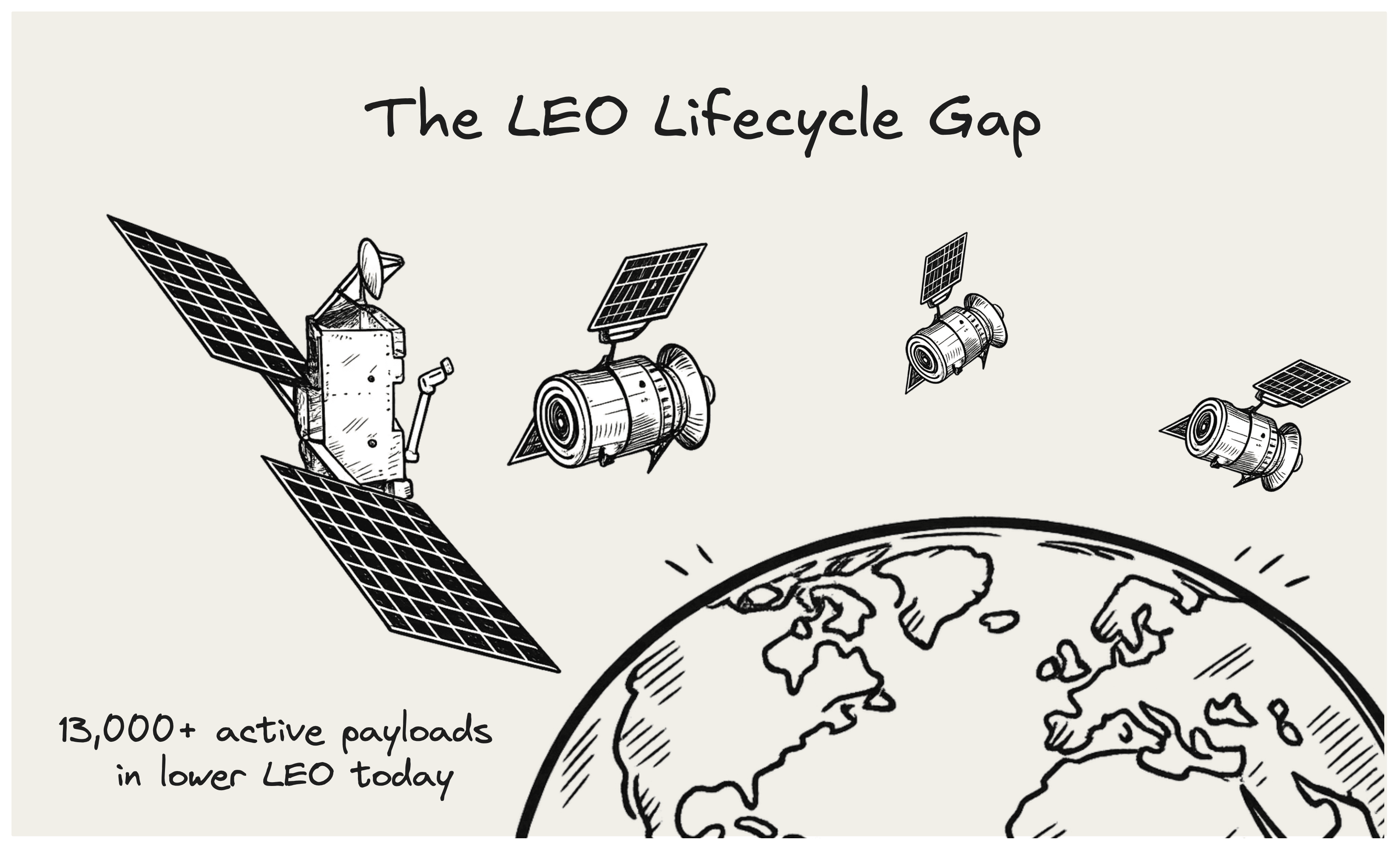
Picks-and-Shovels
MDA Midnight: the infrastructure to service 13,000+ satellites already in orbit
Apr 13, 2026 · 3,000+ impressions
SpaceX, Amazon, and China are racing to fill low Earth orbit with tens of thousands of satellites. But what happens to them once they're there?
Over 13,000 active payloads are now in lower LEO. Most of the conversation focuses on getting them into orbit. Very little focuses on what happens after they arrive.
Constellations at this scale need ongoing maintenance. On-orbit inspection. Asset relocation as mission requirements shift. Refueling to extend satellite life. De-orbiting dead hardware before it becomes debris. In an environment where the Secure World Foundation now documents 13 countries developing counterspace capabilities, they also need protection.
Nearly 2,800 cataloged debris fragments from past anti-satellite weapons tests remain in orbit. Russia and China operate rendezvous and proximity systems capable of approaching foreign satellites. The orbital environment is getting denser and more contested at the same time.
Today MDA Space unveiled MDA Midnight. A maneuverable spacecraft designed for rendezvous and proximity operations. Inspect a satellite's status. Detect and attribute electronic interference. Capture and relocate a cooperative asset. De-orbit one that's no longer operational. Refuel one that is.
The robotics heritage behind it is deep. MDA's flight controller team has conducted over 100 free-flyer captures in orbit with a 100% mission success rate. That operational history traces to Canadarm in 1981 and continues through Canadarm2 and Dextre on the ISS today.
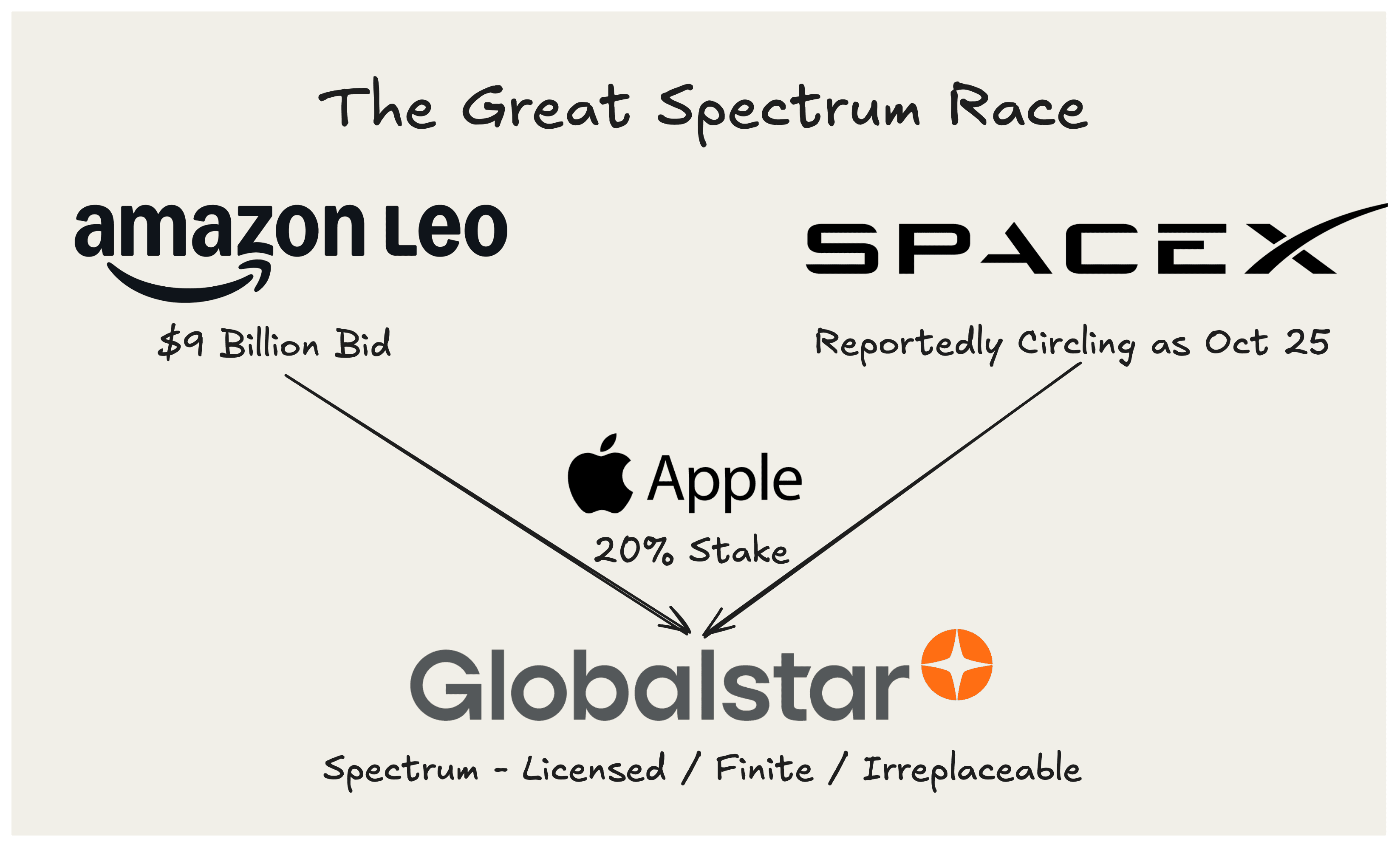
Midnight runs on the same Aurora satellite bus behind Telesat Lightspeed and Globalstar's Apple-backed constellation, and as proposed for South Korea's K-LEO defense constellation at the MOU stage. The production infrastructure is already in place. MDA manufactures the satellites sovereign programs need. Midnight lets them service and protect those assets from a single platform.
Canada recently declared space a key sovereign capability. The Secure World Foundation notes growing interest in what the report calls \"bodyguard\" satellites. The demand is coming from defense procurement, but the operational requirements span the full lifecycle of a constellation.
The race to fill LEO is moving fast, very fast. The infrastructure to maintain what's up there is just getting started.