← back to library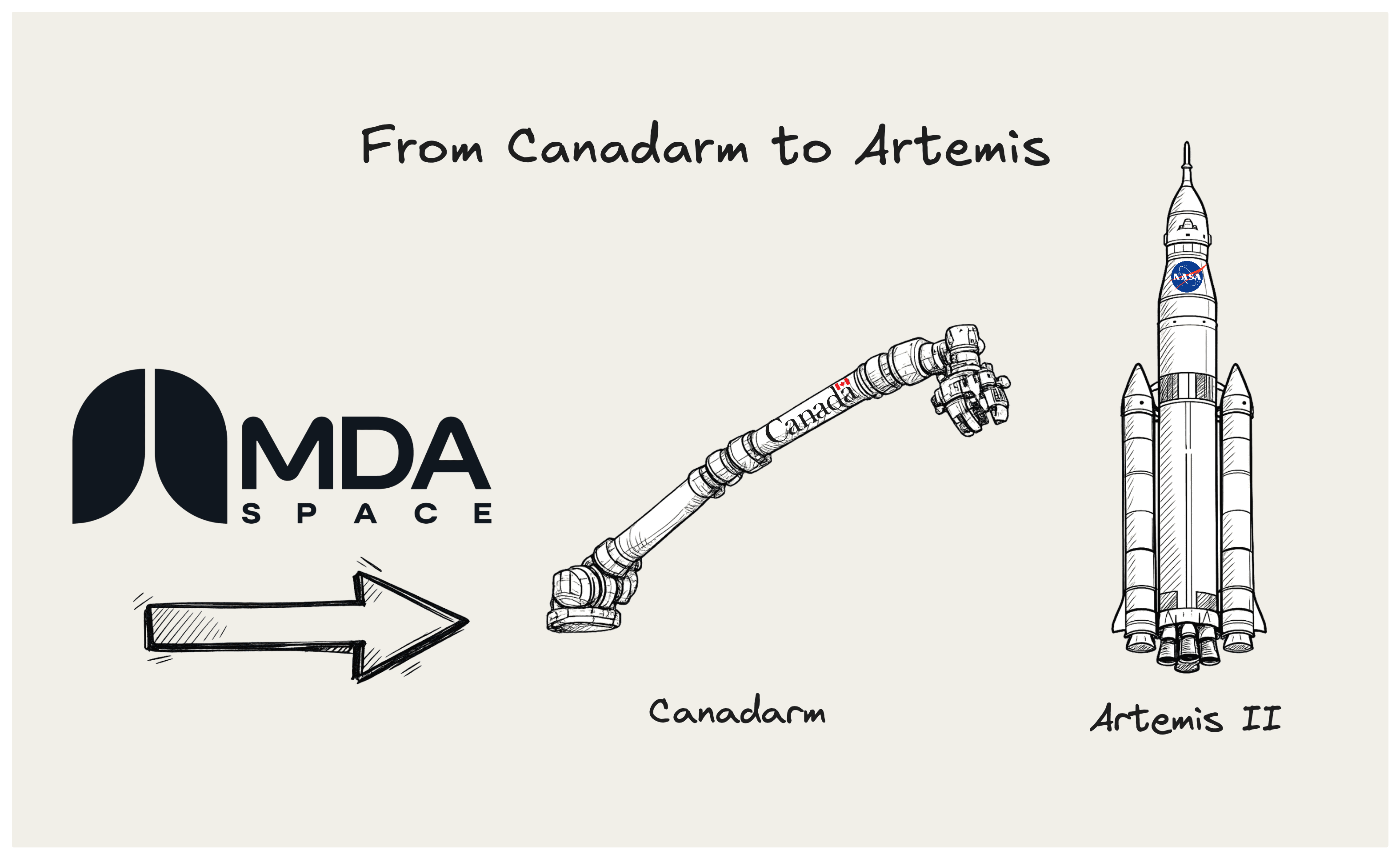
Canadian Orbital Economy
Canadarm to Artemis II: build the hardware, earn the seat
Apr 1, 2026 · 13,000+ impressions
NASA just sent the first non-American beyond Earth orbit. The reason a Canadian is on that rocket starts with a robotic arm built in Brampton.
Artemis II launched yesterday. Four astronauts are heading to the Moon for the first time in 54 years. One of them is Colonel Jeremy Hansen, a former CF-18 fighter pilot from London, Ontario.
He is the first non-American to ever travel beyond low Earth orbit. That seat exists because Canada has a long history of building hardware.
The Canadarm flew on the Space Shuttle in 1981 and NASA gave Canada an astronaut seat. Marc Garneau became the first Canadian in space. Canadarm2 went to the ISS and Chris Hadfield commanded it. Canada then committed nearly $2 billion to build Canadarm3 for Artemis. NASA recently paused the station it was designed for, but the contract continues and the seat on that rocket was already earned.
Canadarm. Canadarm2. Canadarm3. Three robotic arms. Three generations of access to space.
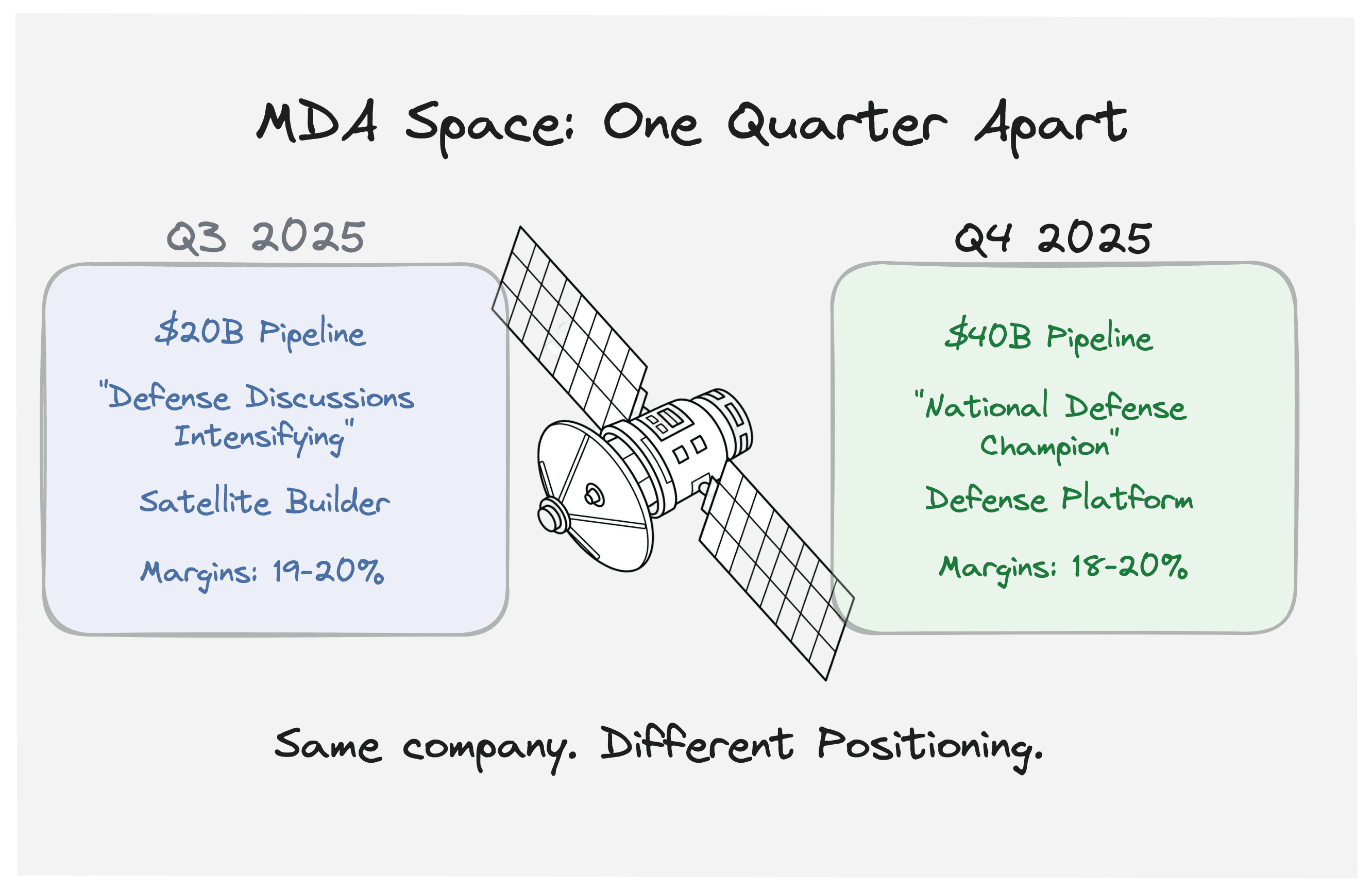
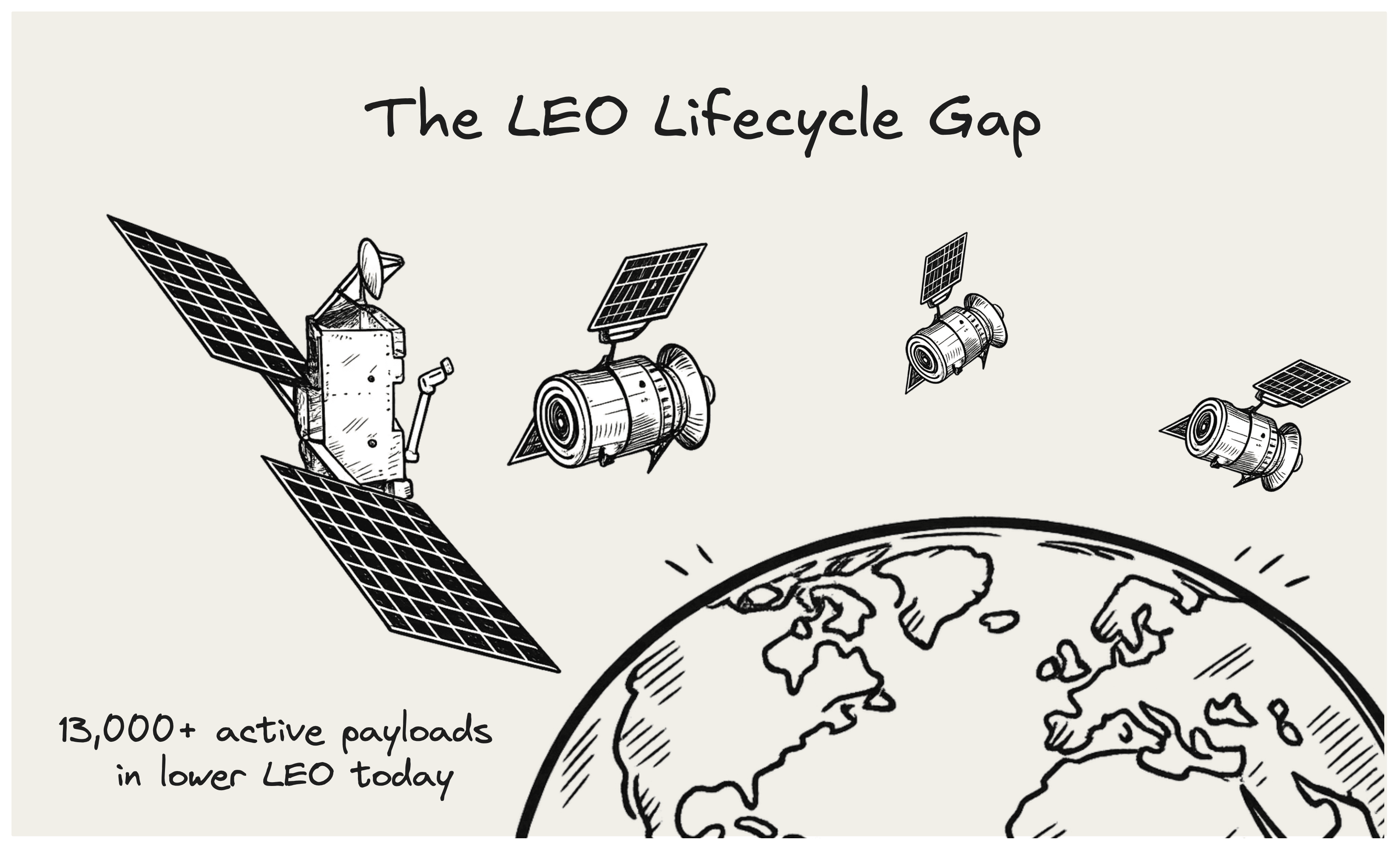
The company behind all three is MDA Space. Based in Brampton, Ontario. 55 years in space. 450+ missions. Now building the satellites behind Telesat Lightspeed, Globalstar's Apple-backed constellation, and South Korea's K-LEO sovereign defense program.
The country has never launched a satellite from its own soil. That is about to change. Ottawa just signed a $200 million, 10-year agreement with Maritime Launch Services for a dedicated defence launch pad at Spaceport Nova Scotia. Another $105 million is going to the "Launch the North" program, where three startups, NordSpace, Canada Rocket Company, and Reaction Dynamics, each received $8.3 million to develop sovereign launch vehicles, with a target of initial orbital capability by 2028. The government intends to join NATO's STARLIFT initiative.
The pattern is the same one that put Hansen on that rocket. Build the hardware. Earn the seat. The next phase is happening now, as they build the infrastructure to launch independently.
The country's space sector contributes $3.2 billion to GDP today. RBC estimates the global space economy will nearly triple to $1.8 trillion by 2035. The infrastructure being built right now will determine who captures that growth.
Three robotic arms. Three generations of access. One country building its way into the orbital economy. A historic moment for the nation.
The sovereign space race is just getting started.