← back to library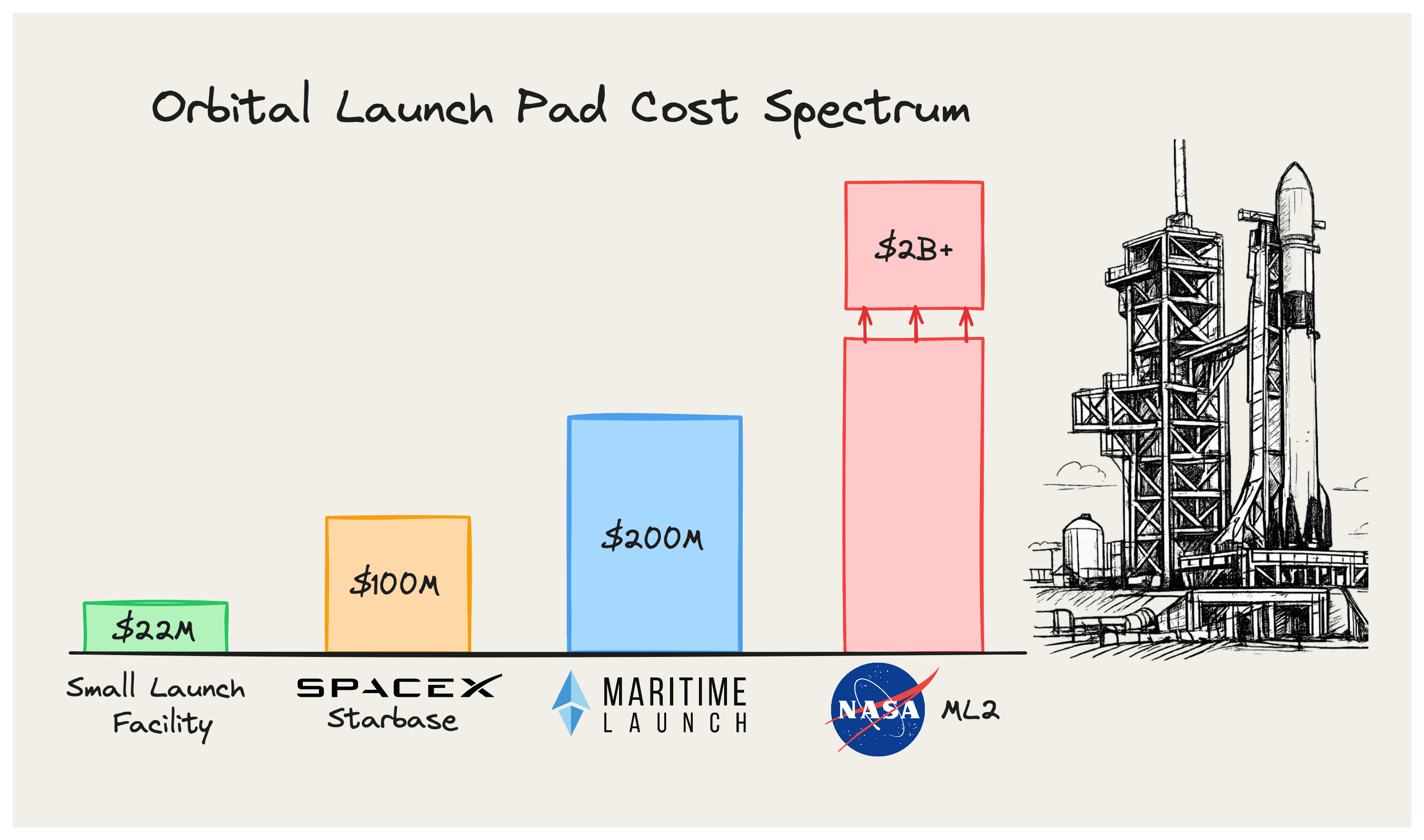
Canadian Orbital Economy
Spaceport Nova Scotia: what a $200M sovereign launch pad actually buys
Mar 16, 2026 · 15,000+ impressions
SpaceX destroyed a launch pad on its first Starship flight. Canada just gave MAXQ $200M to build its first. Yet most people have never thought about what it takes to build one.
Yesterday the Government of Canada selected Spaceport Nova Scotia as the dedicated sovereign launch site for National Defence. A 10-year, $200M lease with Maritime Launch Services (MAXQ), $20M per year. So what does it actually take to build a launch pad?
At ignition, rocket exhaust exceeds the speed of sound and generates noise approaching 200 dB, enough to destroy the vehicle itself through reflected acoustic energy. The pad must solve a thermal, acoustic, and structural problem simultaneously.
A flame trench redirects the exhaust plume away from the vehicle. A water deluge system releases hundreds of thousands of gallons in seconds to suppress shock waves and cool surfaces.
Then add cryogenic propellant storage, lightning protection, reinforced concrete designed for extreme thermal cycling, transport rails from the assembly facility...as you can imagine the cost reflects the complexity. Small-launch facilities cost roughly $25M. SpaceX spent an estimated $100M building Starbase. NASA's Mobile Launcher 2 was projected to exceed $2B before it was shelved. The $200M at Spaceport Nova Scotia sits in the medium-class range for a dual-use facility targeting payloads up to 5,000 kg to LEO.
So why Nova Scotia? The Atlantic coast offers open over-ocean flight corridors, access to polar and sun-synchronous orbits critical for defence satellites, and a range of launch inclinations from a single site unmatched in North America.
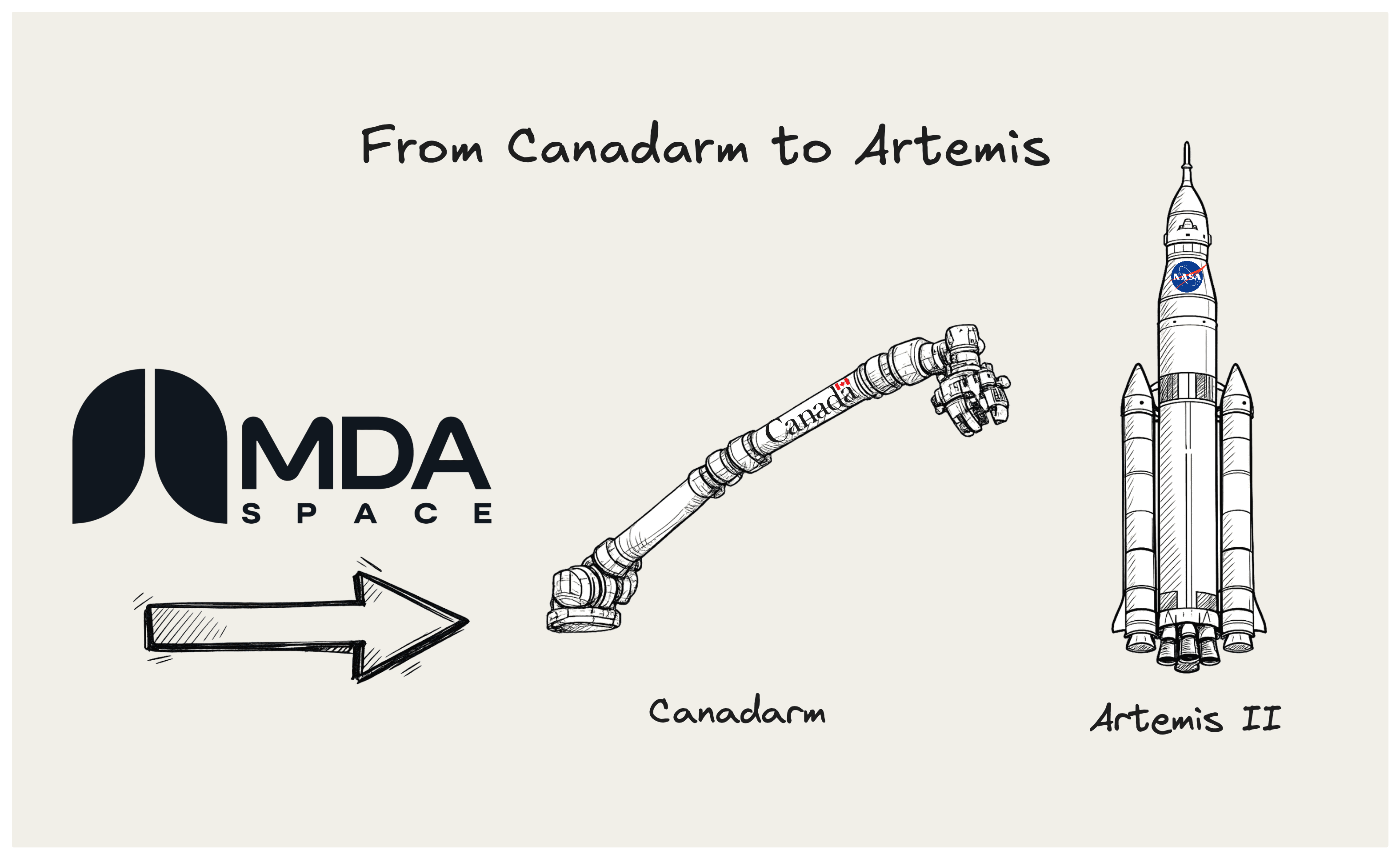
MDA Space invested $10M in Maritime Launch last November, becoming an equity owner and operational partner. MDA builds the satellites. MAXQ builds the launch infrastructure. The Canadian sovereign space stack is assembling vertically.
Launch capacity is becoming a sovereign chokepoint. Everyone is talking about what gets launched. Almost nobody is asking where it launches from.
Yesterday, Canada put $200M behind answering that question. Congrats to all those involved.