← back to library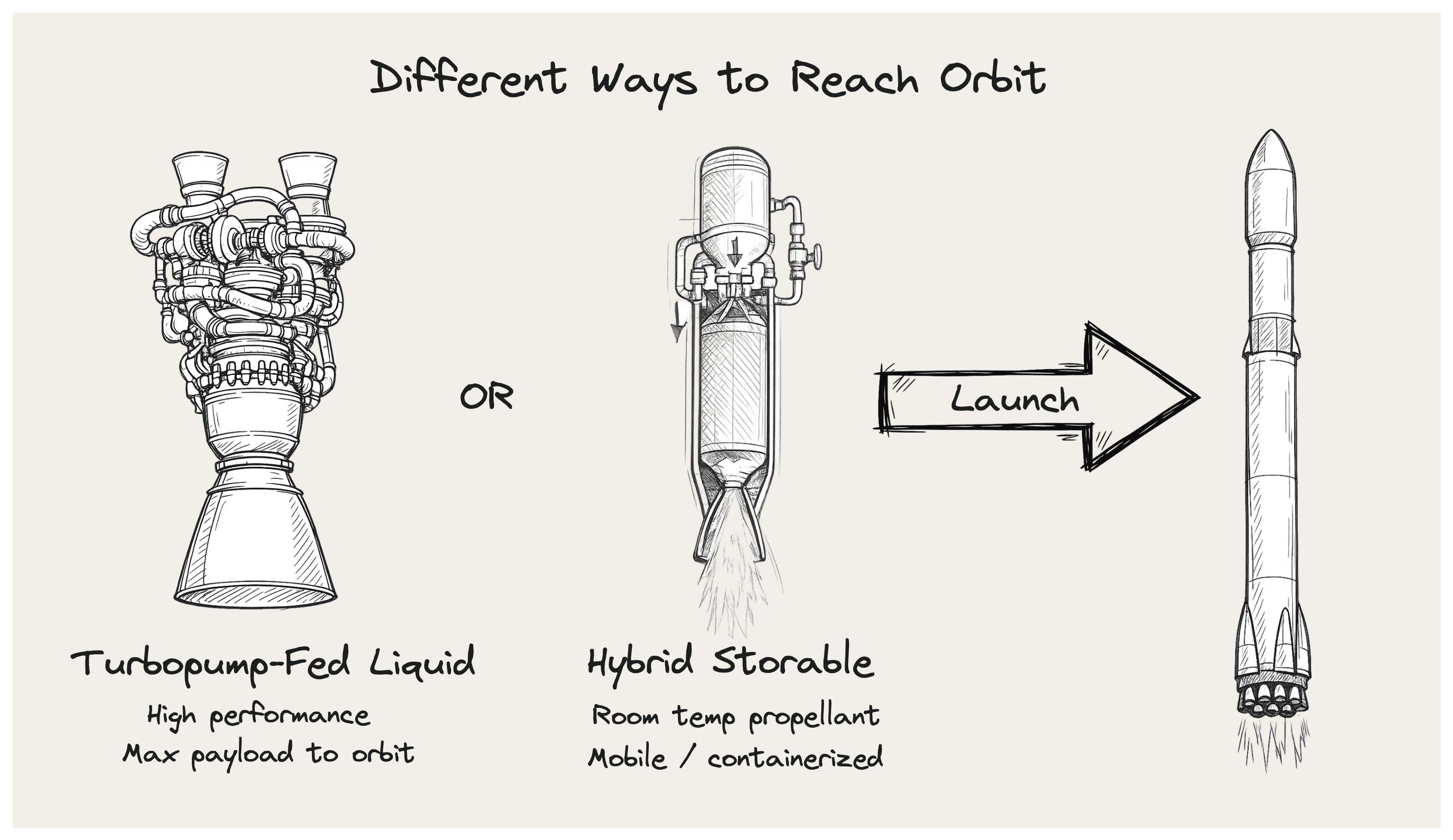
Propulsion & Engineering Physics
Canada's three propulsion bets: turbopump, hybrid, and scale
Mar 19, 2026 · 15,000+ impressions
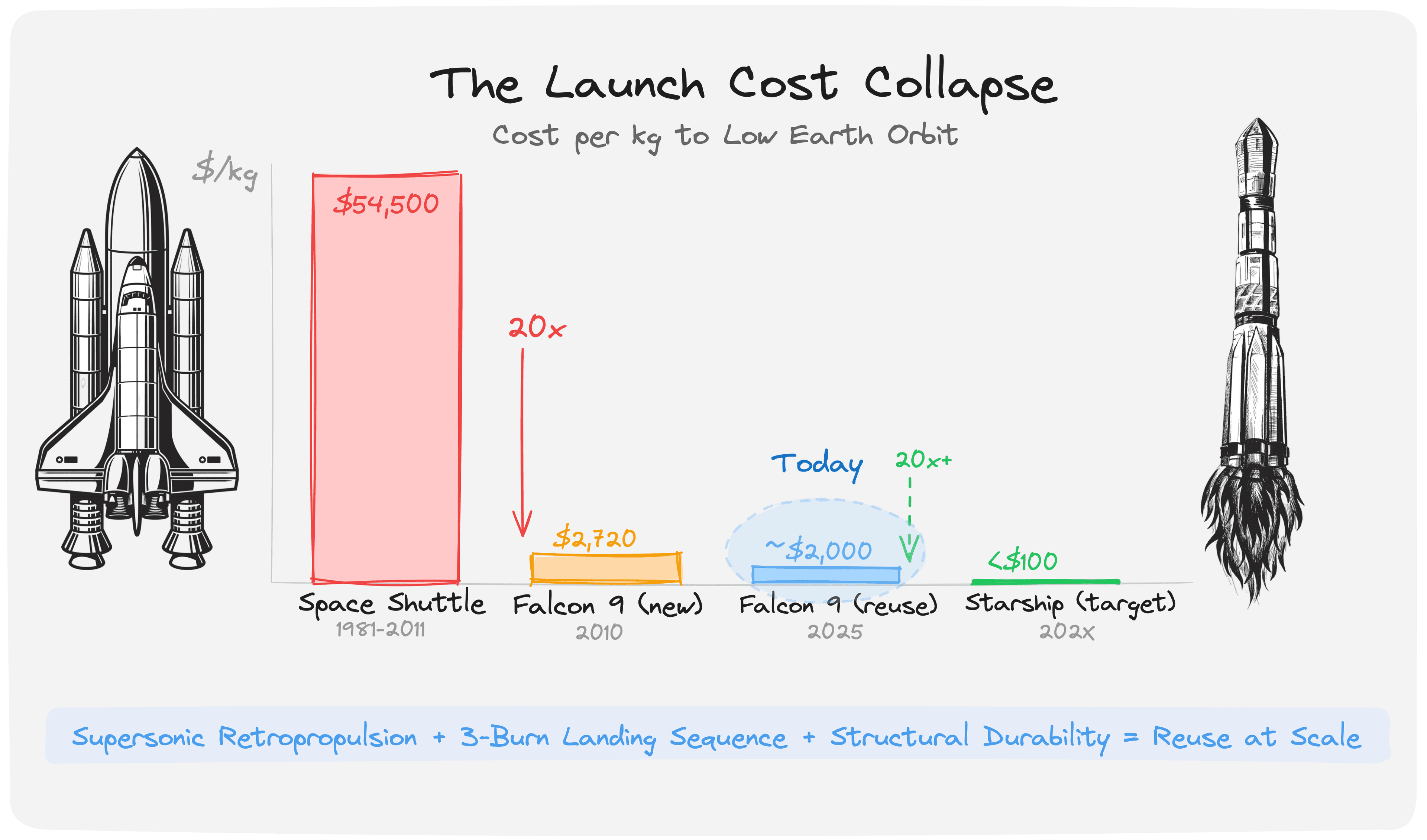
SpaceX, Rocket Lab, and Blue Origin have spent billions perfecting launch. Reusable boosters, 3D-printed engines, autonomous landings. The engineering is extraordinary.
But behind every launch is a propulsion problem, and the engineering tradeoffs are ones most people have never considered.
Canada is building its own solutions. Through Launch the North, DND committed $105M and selected three Canadian companies to develop sovereign light-lift capability by 2028. NordSpace is building a turbopump-fed liquid bipropellant system. Their Tundra vehicle is designed around the Hadfield engine, a 3D-printed design where high-speed rotating machinery pressurizes propellant flow into the combustion chamber. Turbopump-fed engines extract more energy per kilogram of propellant, maximizing payload to orbit. NordSpace uses the same engine on both stages, simplifying manufacturing and qualification. They are also building their own spaceport in Newfoundland and planning a satellite constellation. Rocket, launch site, and payload under one company.
Reaction Dynamics took a different path: hybrid propulsion. Their Aurora-8 combines a solid fuel grain with a liquid oxidizer. Fewer moving parts. No turbopumps. And critically for defence, the propellant is storable at room temperature. Traditional cryogenic rockets require liquid oxygen at -183 degrees Celsius with hours of fueling and thermal conditioning at established launch facilities. Storable propellant eliminates that. The Aurora-8 is designed to be containerized and deployed from temporary platforms with no fixed cryogenic infrastructure required. DND requires 200 kg to orbit on short notice. Meeting that from a mobile platform with cryogenics can be difficult. With storable hybrids, it becomes more achievable.
Canada Rocket Company is playing a longer game, targeting medium-lift at 6,500 kg to LEO with leadership bringing over 100 years of orbital experience, positioning for DND's planned Stream 2 scale-up in the 2030s.
Three propulsion architectures. Turbopump liquid for performance. Storable hybrid for responsiveness. Scalable medium-lift for future capacity.
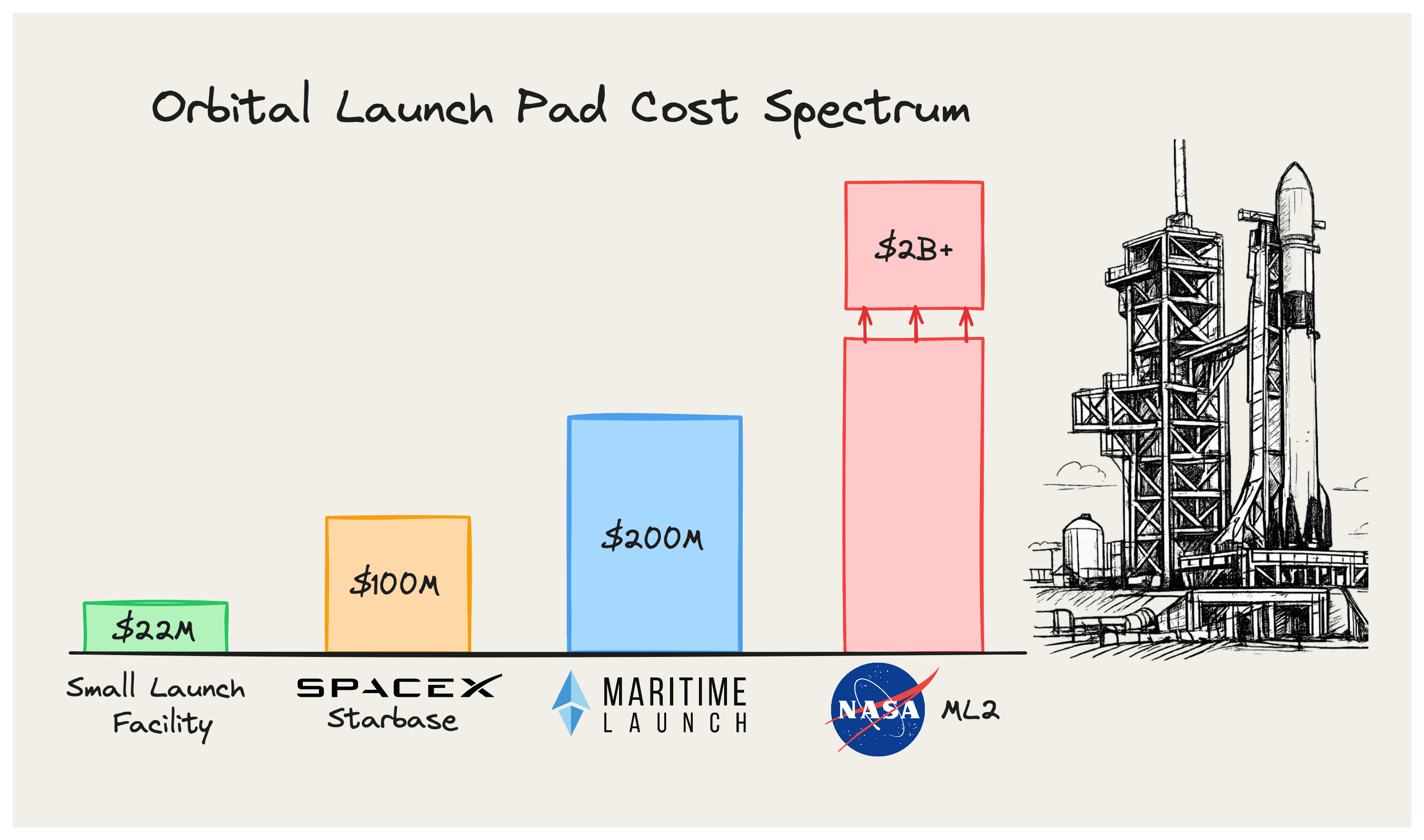
The launch infrastructure is taking shape in parallel. Maritime Launch (MAXQ) secured a $200M DND lease on Sunday for Spaceport Nova Scotia. NordSpace is building its own launch complex in Newfoundland. MDA Space, which manufactures the satellites these rockets will carry, is an equity partner in MAXQ. From propulsion to pad to payload, Canada is vertically integrating a sovereign space stack.
Canada has built world-class satellites for 60+ years. It has never launched one from its own soil. That is now changing.